Four manufactured homes are listed for sale in Moorpark right now, and their combined median asking price is $1.02 million. That number sits almost exactly on top of the citywide median for every home in Moorpark, houses included. Either every mobile home in town backs onto a golf course, or something about the way Moorpark reports its numbers is producing figures that don't mean what they appear to mean.
It's the second one. Moorpark's citywide median doesn't describe a market. It describes an average of at least three markets that happen to share a zip code, and if you're comparing this city to Thousand Oaks, Simi Valley, or Camarillo using that single number, you're comparing something that doesn't exist to something that does.
The Number Everyone Quotes
Over the three months ending May 2026, the median sale price for a home in Moorpark was $1.0 million, up 0.9 percent from the same period the year before. The median price per square foot was $444, down 5.9 percent year over year, and homes were selling in about 41 days on average. Those figures come from the same trailing window and they're internally consistent. The problem isn't the math. It's what the math is averaging.
A city-level median works fine when the housing stock is roughly the same age, size, and configuration across town. Moorpark's isn't. Citywide housing records show close to a quarter of homes were built in 2000 or later, a smaller share, around 7 percent, dates to the 1940s through the 1960s, and the remaining majority, the bulk of the city, went up during a 1970s-to-1990s tract-home boom. Blend a $1.66 million gated estate with a $620,000 home from that older stock and the resulting median describes neither.
A City Built in Three Waves
The oldest layer includes homes near High Street, Moorpark's historic core, along with scattered condos such as the Park Springs community downtown and manufactured-home communities like Villa Del Arroyo elsewhere in the city. This is the smallest and slowest-moving segment of the market.
The middle layer is the tract-home era that gave much of the rest of the city its character: modest single-story and split-level homes typical of a 1970s-through-1990s building boom, in neighborhoods like Campus Park and Moorpark Highlands. This is also the largest single slice of Moorpark's housing stock.
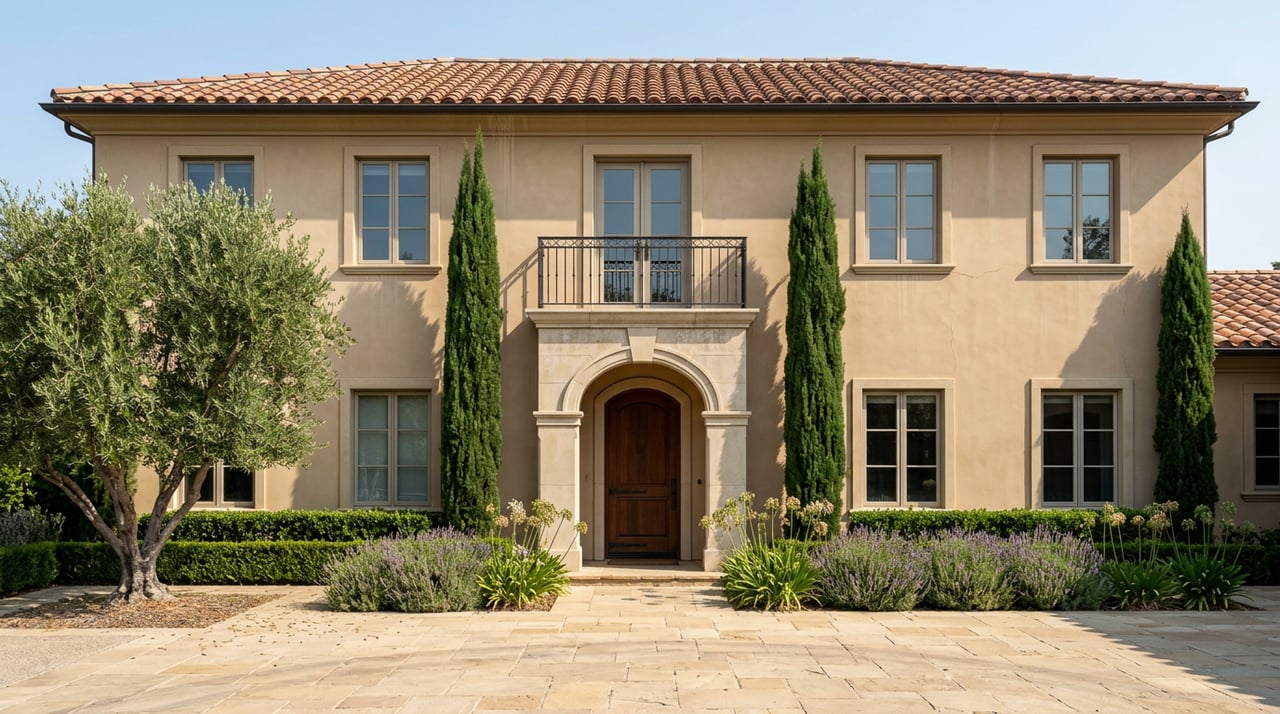
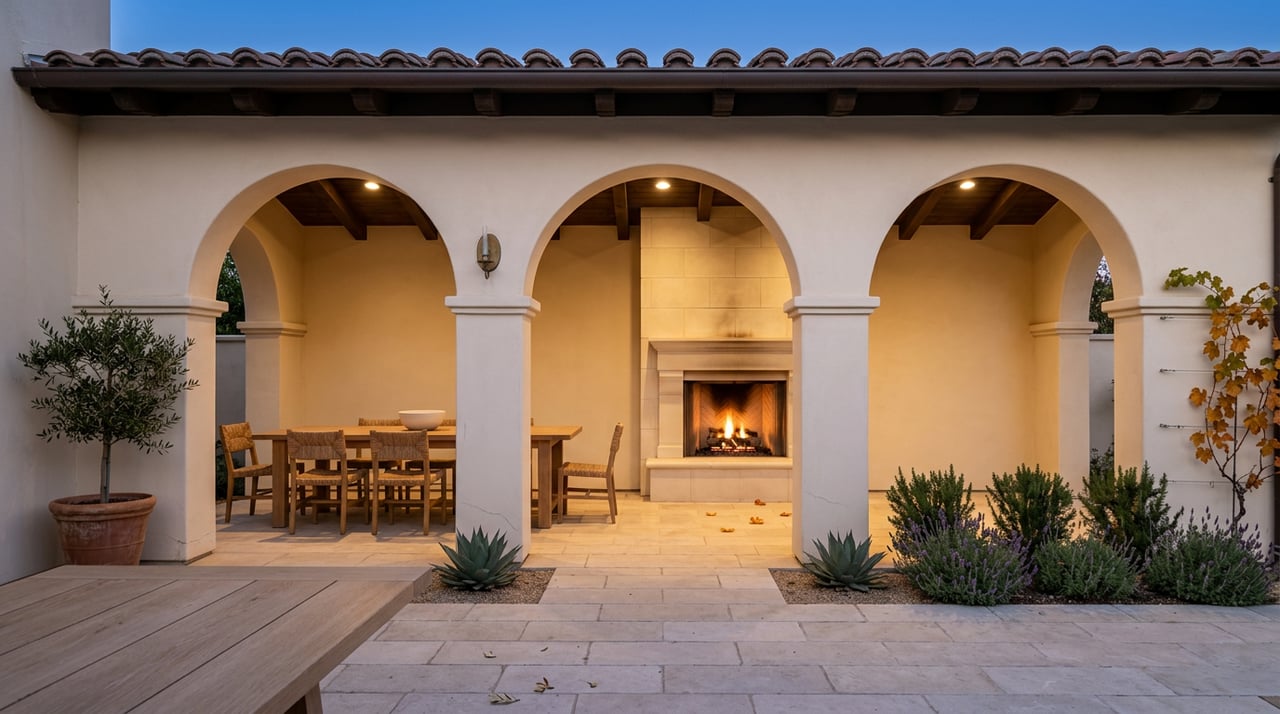
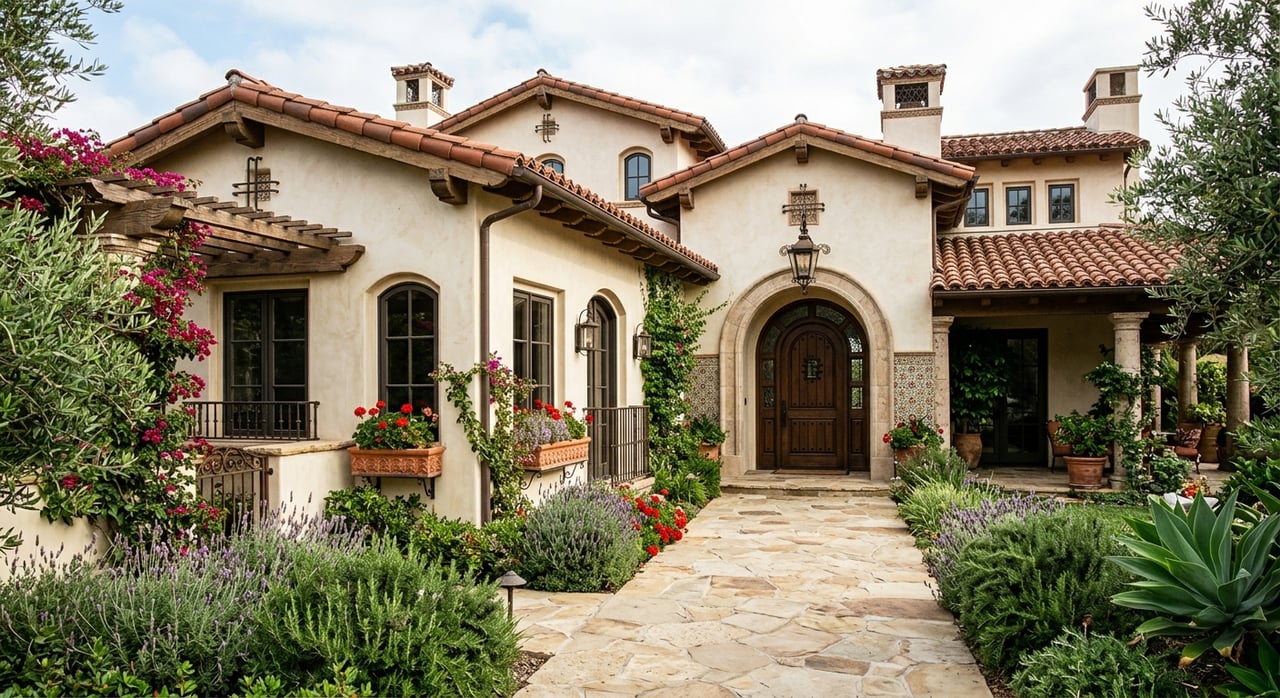
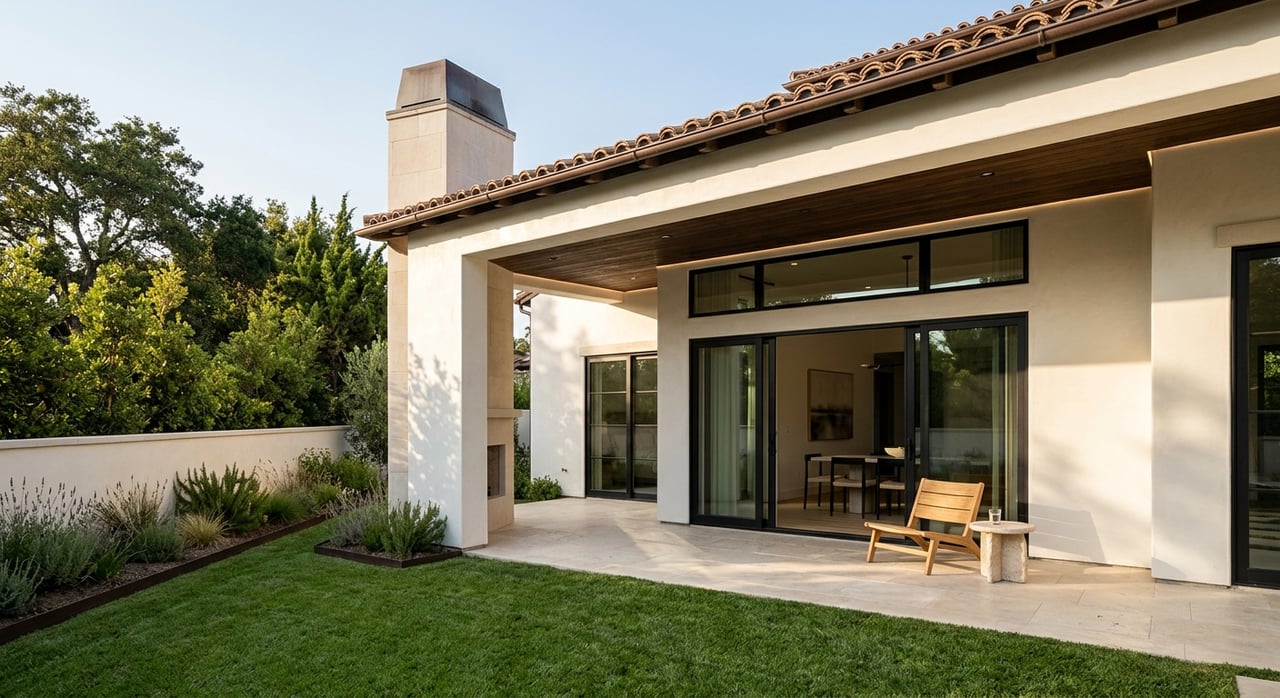
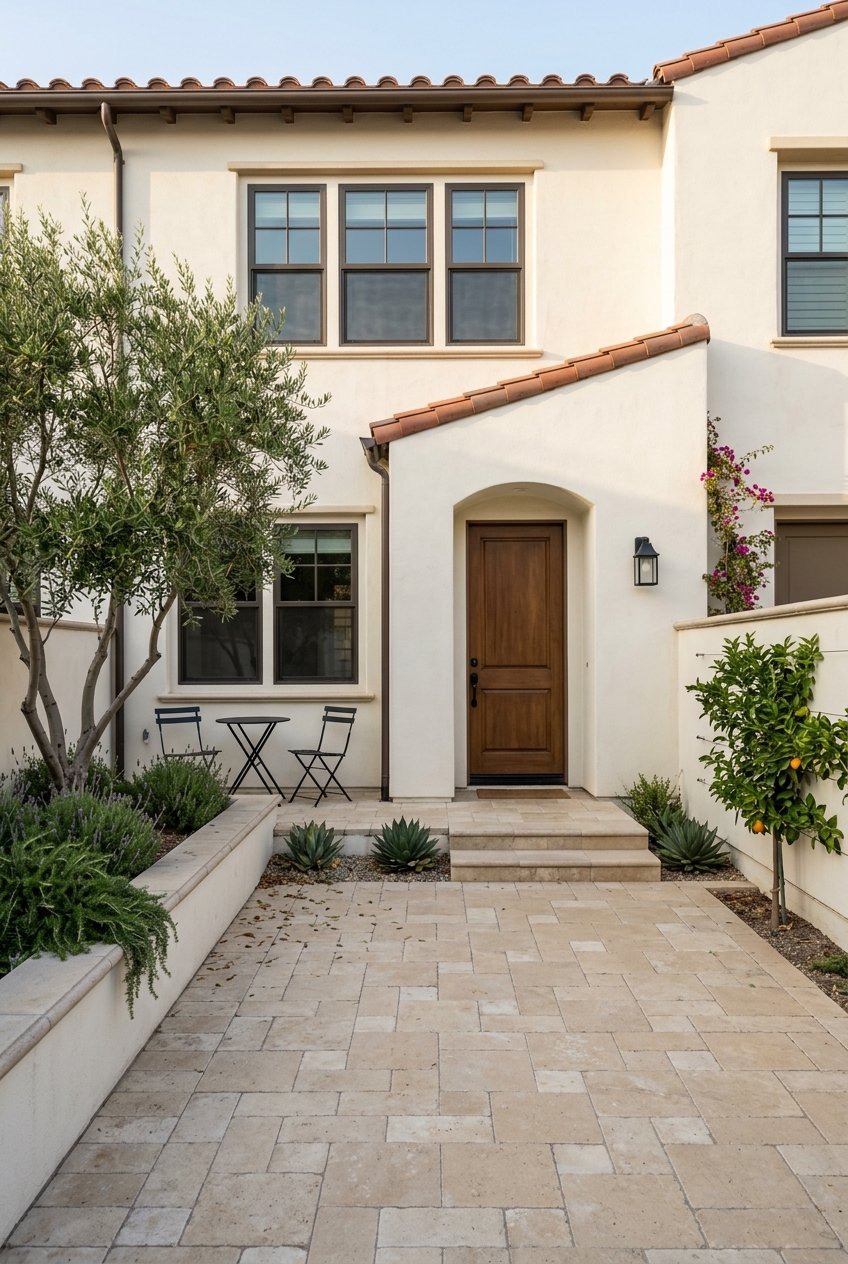
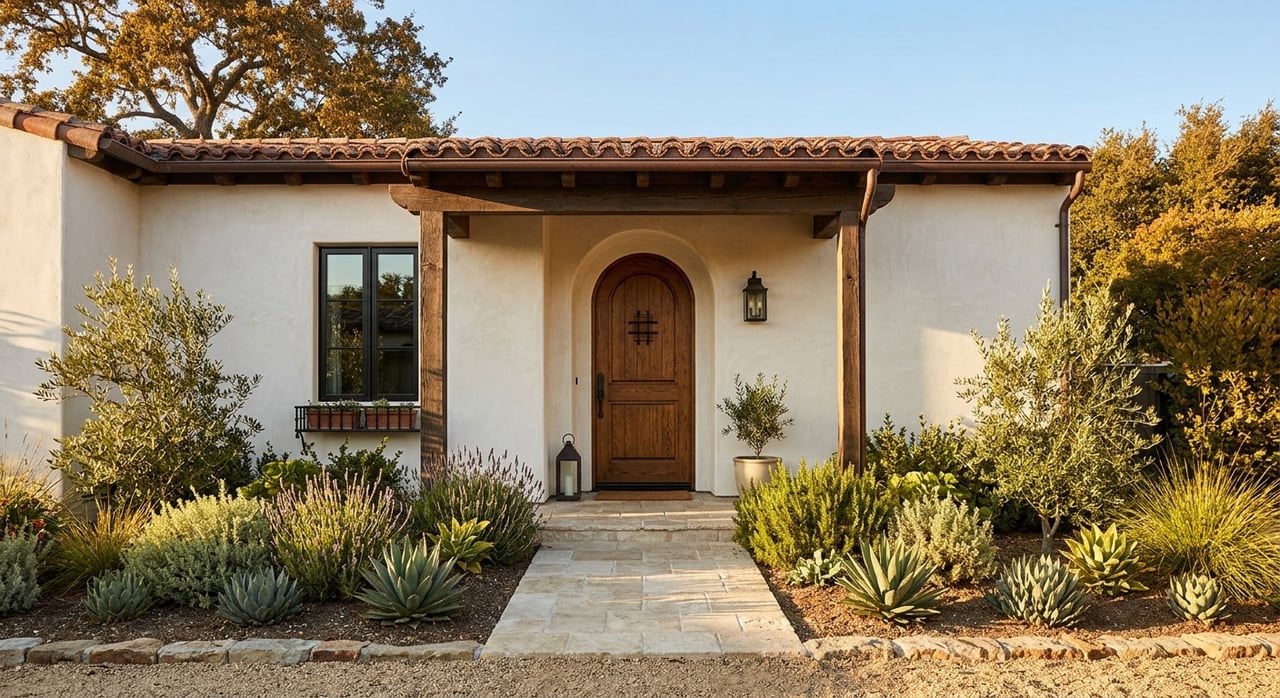
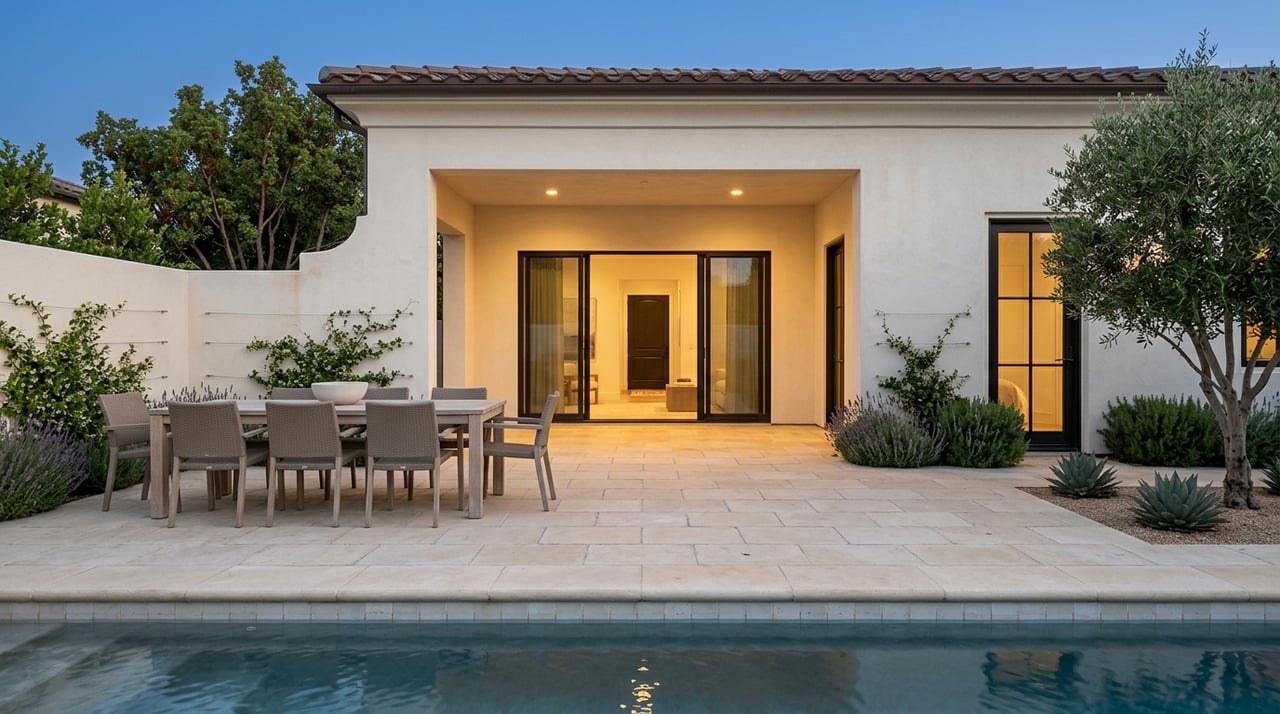
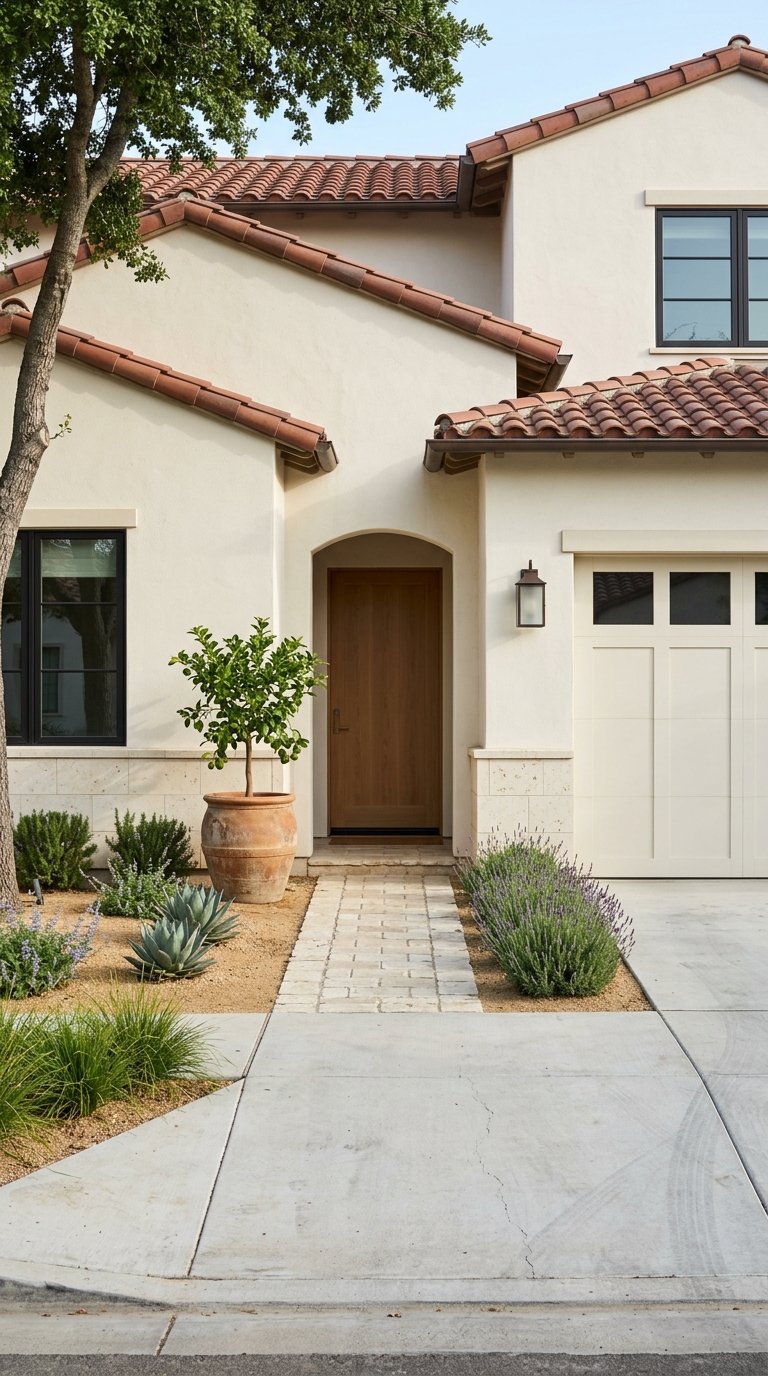
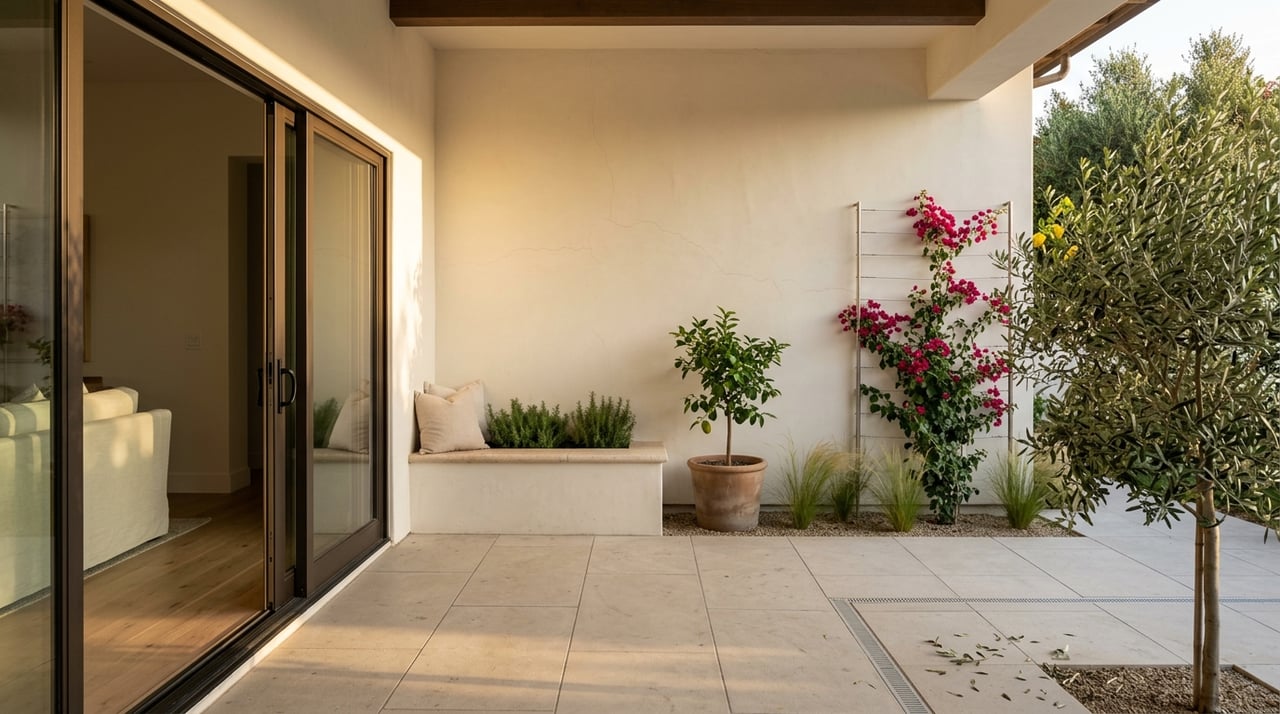
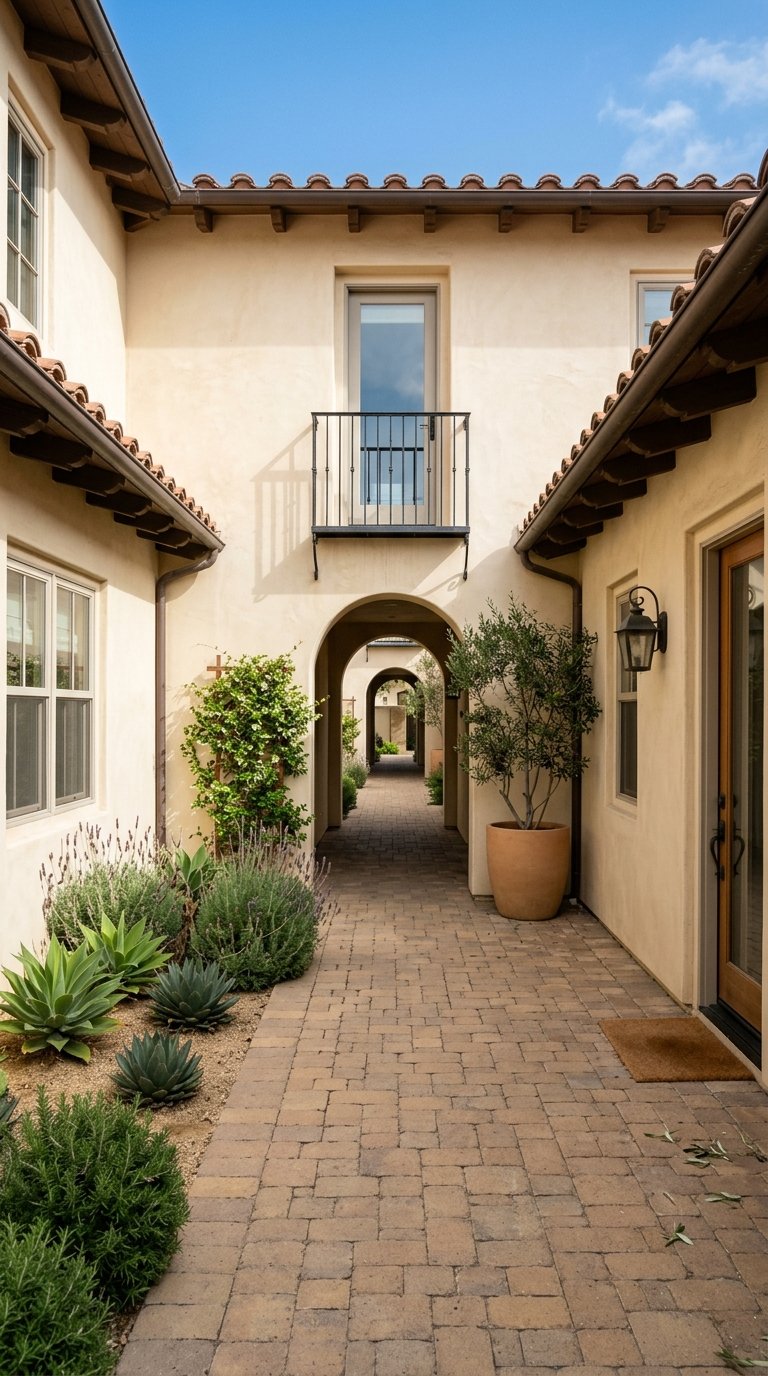
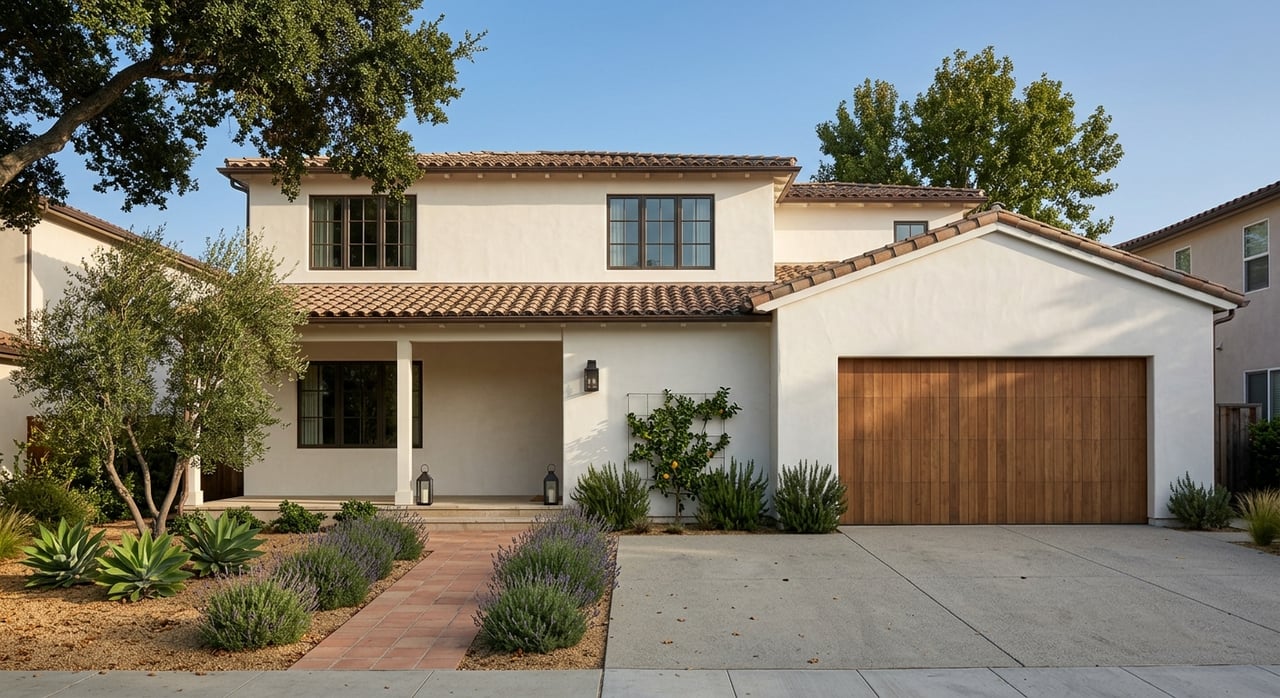
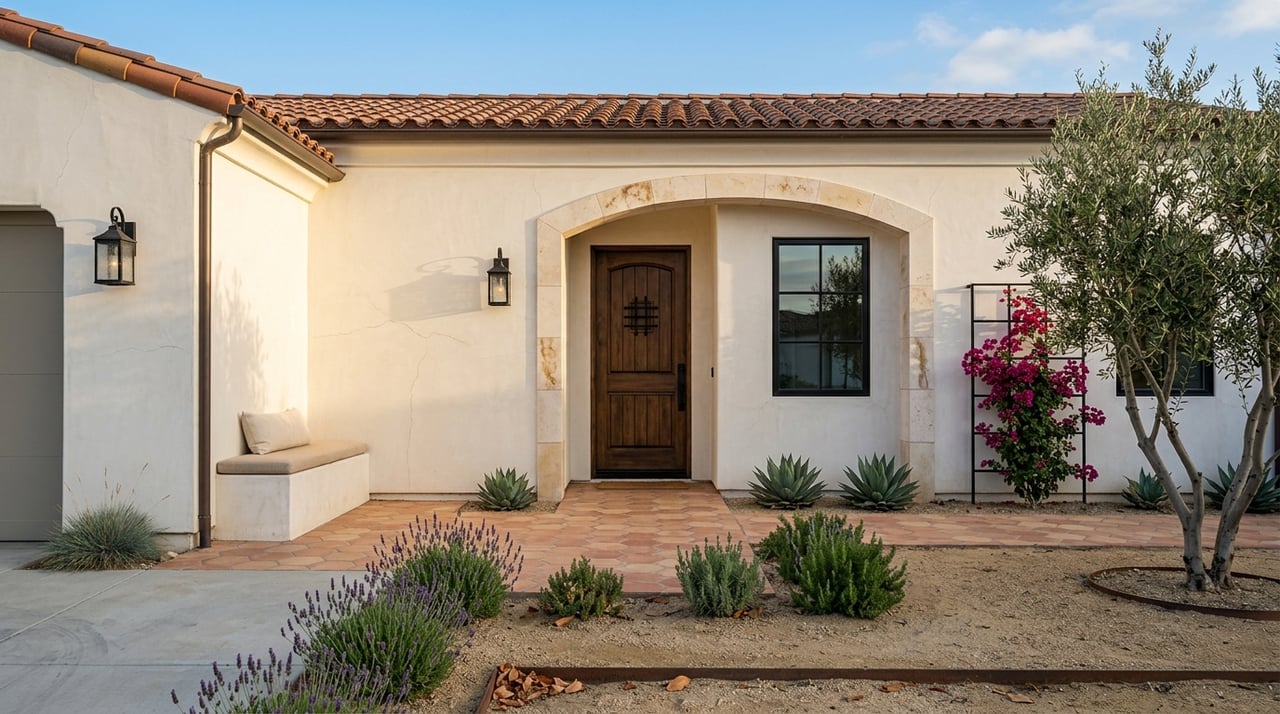
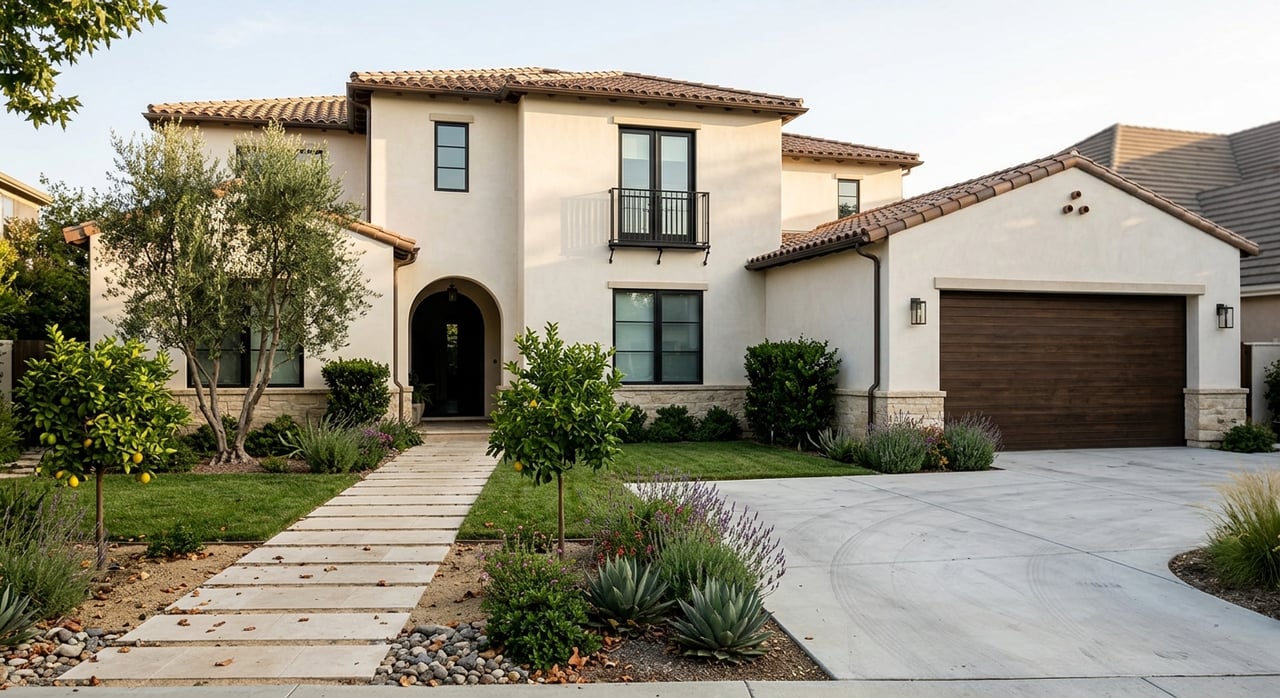
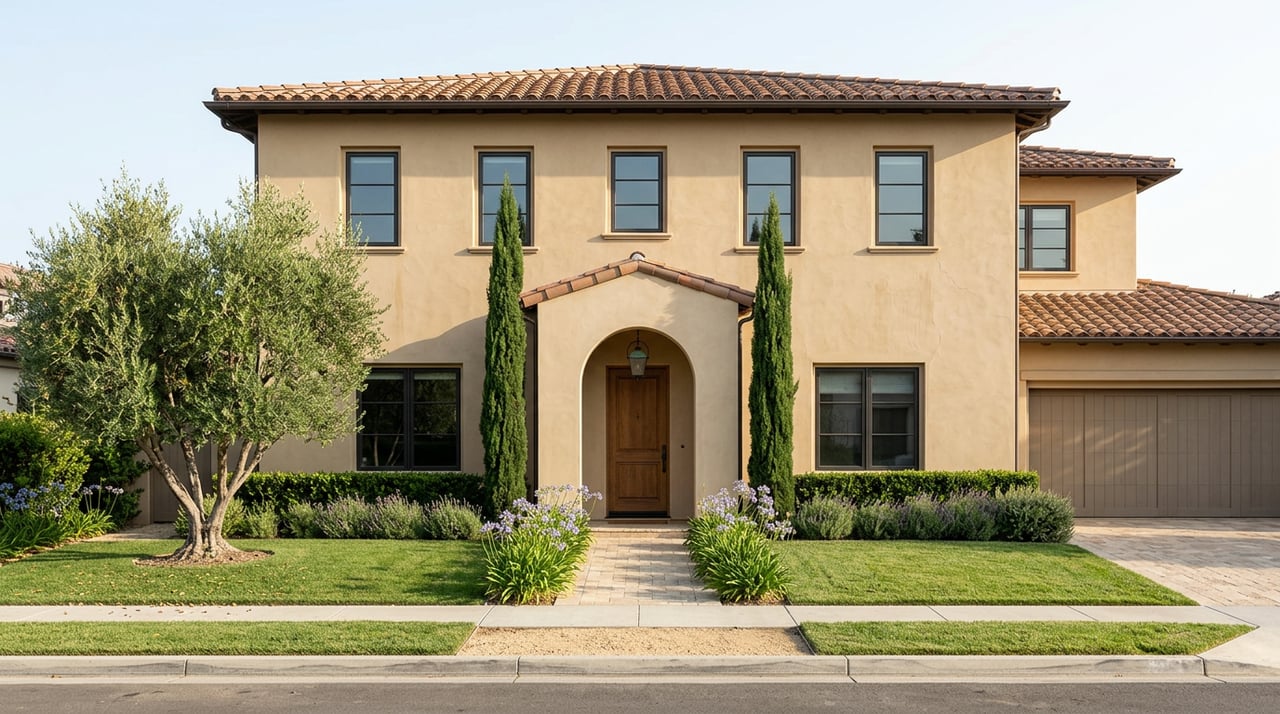
The newest layer is the gated, HOA-governed wave built from roughly 2000 forward, with names like Carlsberg and Hitch Ranch, and communities such as Trieste at Serenata and Cantara at Serenada showing up in current listings. These developments tend toward larger lots, clay tile rooflines, and multi-car garages, and they anchor the top of the citywide median.
Here's roughly where recent neighborhood-level sales have clustered. The Downtown Moorpark figure reflects closings from January 2026. The rest reflect the most recent transactions tracked for each pocket over the preceding several months, so treat them as directional rather than a single snapshot in time:
| Neighborhood | Recent median sale price | Character |
|---|---|---|
| Hitch Ranch | $1,662,500 | Newer, gated, largest lots |
| Carlsberg | $1,249,500 | 2000s-era master-planned |
| Mountain Meadows | $1,082,500 | Established, larger-format homes |
| Peach Hill | $885,000 | 1970s-80s tract, widely updated |
| Campus Park | $671,000 | 1970s-80s tract |
| Moorpark Highlands | $666,000 | Smaller-footprint tract homes |
| Downtown Moorpark | $620,000 (Jan 2026) | Historic core, mixed housing types |
That's a spread of more than $1 million between the top and bottom of a single city's housing market. A buyer who anchors a search budget to the $1.0 million citywide figure could be shopping four or five different neighborhoods with almost nothing in common except a shared mailing address.
What Downtown's 18 Percent Jump Actually Means
Here's where the thin-data problem gets specific. In January 2026, Downtown Moorpark's median sale price was $620,000, up 18.2 percent from the year before, and the price per square foot rose 37.9 percent over the same period. Read on its own, that looks like a submarket heating up fast.
Read next to the sales count, it looks different. Two homes sold in Downtown Moorpark in January 2026, down from six the year before. Average time on market stretched to 106 days, compared with 51 days the prior year. An 18 percent year-over-year swing built on two transactions isn't a trend. It's what happens when a tiny sample produces a headline-sized number. The same dynamic explains why four manufactured homes carry a $1.02 million median: with so few active listings, one or two atypical properties can move the whole figure.
This matters for anyone using Downtown Moorpark comps to price a listing or justify an offer. A single recent sale down the street can look like proof of a trend when it's really just one data point standing in for a market that doesn't trade often enough to have a reliable one.
The High Street Test
Downtown Moorpark is also where the city's most visible investment is currently landing, which makes it a useful test case for a separate question: does new construction show up in resale values right away?
The centerpiece is High Street Depot, a mixed-use project from Daly Group built on a formerly vacant site adjacent to the Moorpark Metrolink Station. Ground broke in 2023 on what KTLA's coverage described as Moorpark's first mixed-use housing project: 79 rental apartments over roughly 14,500 square feet of ground-floor retail, with 15 percent of units set aside as moderate-income rentals under a city ordinance, according to reporting from Yahoo News. The City of Moorpark's project page confirms the same unit count and commercial square footage. Three years later, it's finished. As of this writing, the building is leasing one- and two-bedroom apartments with rents starting around $2,400 a month.
Reporting from early 2024, while the project was still under construction, already showed it pulling new interest to High Street. Freda's Farm to Fork Kitchen had opened nearby, and High Sweet Creamery was preparing to build on a former gas station site. Moorpark's mayor at the time, Chris Enegren, credited the project with creating what he called "a momentum of investments."
None of that changes what Downtown Moorpark houses are selling for. High Street Depot is rental housing, not for-sale inventory, so it adds no comps to the resale market it sits inside. And because that resale market already trades on a handful of transactions a month, the visible energy on High Street and the recorded price of the house three blocks away are, for now, two separate stories. New restaurants and new apartments can raise the profile of a neighborhood well before enough homes change hands to move its comps in a statistically meaningful way.
What This Means If You're Comparing Neighborhoods
A few practical takeaways follow from all this:
- Treat the citywide median as a starting point, not a budget. Decide which of Moorpark's three development eras fits what you're looking for, then compare prices within that tier.
- If you're pricing a home in a lower-volume pocket like Downtown Moorpark or Moorpark Highlands, expect an appraiser to lean on a thin comp set, and be ready to supply context beyond the most recent one or two sales.
- A given budget stretches differently depending on which Moorpark you're shopping. The gated, HOA communities on the high end compete more directly with Thousand Oaks pricing, while the older tract and downtown stock trades closer to what buyers find in less expensive pockets of Ventura County.
- Downtown investment and downtown resale pricing move on different timelines. New retail and rental construction is a leading indicator worth watching, not a number you can plug into today's home value.
Quick Answers
Is Moorpark less expensive than Thousand Oaks? Generally, yes, though how much less depends entirely on which Moorpark you're comparing. A gated, newer-construction neighborhood at the top of the range narrows that gap considerably, while the older tract-home core trades well below it.
Why did Downtown Moorpark's median jump 18 percent if it's not actually a hot market? Because only two homes sold there in January 2026, down from six the year before. A small enough sample means one unusually priced sale can swing the whole figure, which is why single-month, single-neighborhood numbers deserve a second look before anyone treats them as a trend.
Are there condos in Moorpark? Single-family detached homes make up the large majority of the city's housing, but condos do exist, including the Park Springs community in the downtown core.
If you're weighing Moorpark against other Ventura County cities, or trying to figure out which of its neighborhoods actually fits your budget and timeline, that's exactly the kind of comparison worth working through with someone who watches these submarkets closely rather than reading one citywide number off a portal. Altera Real Estate Services can walk you through what's really happening block by block. Schedule a confidential buying or selling consultation when you're ready to look past the median.