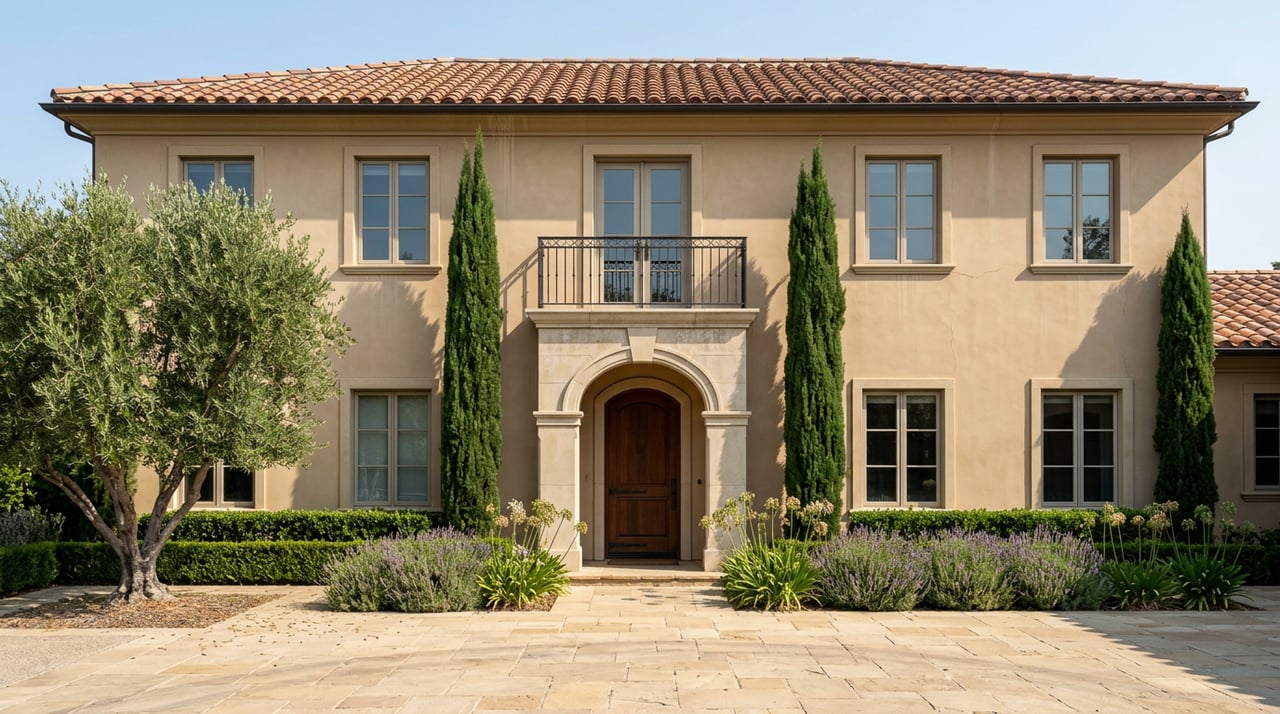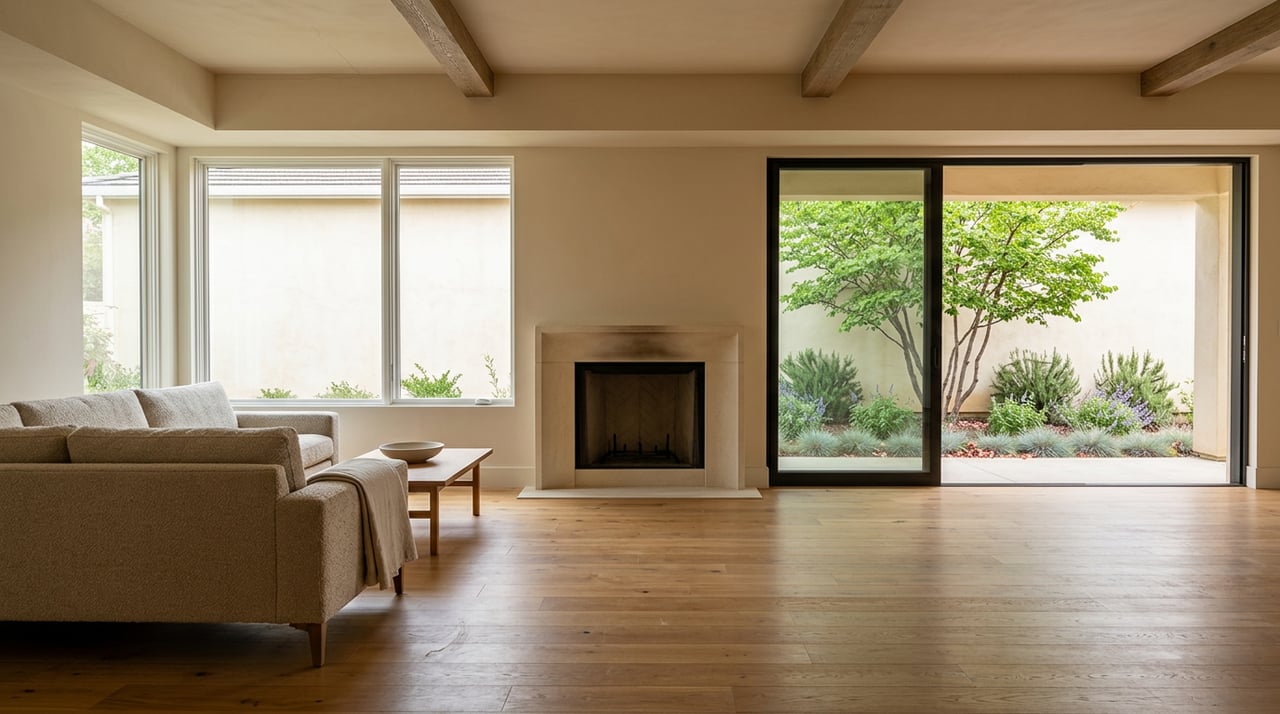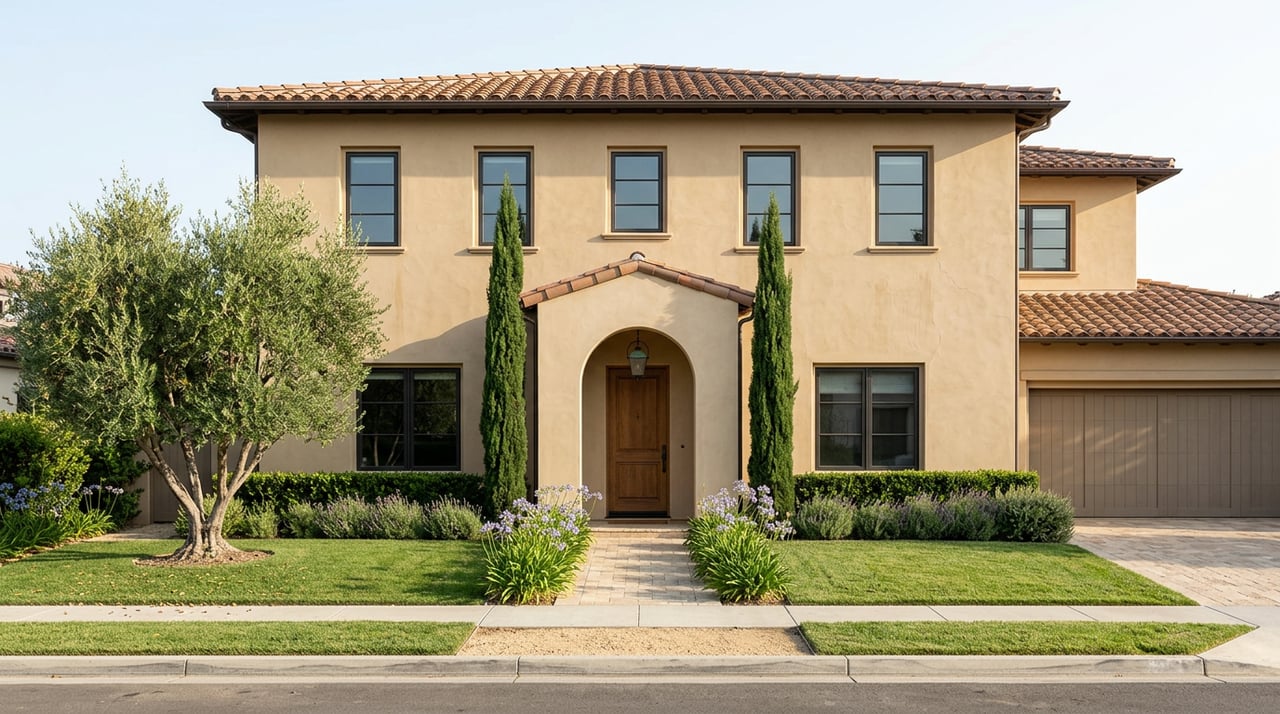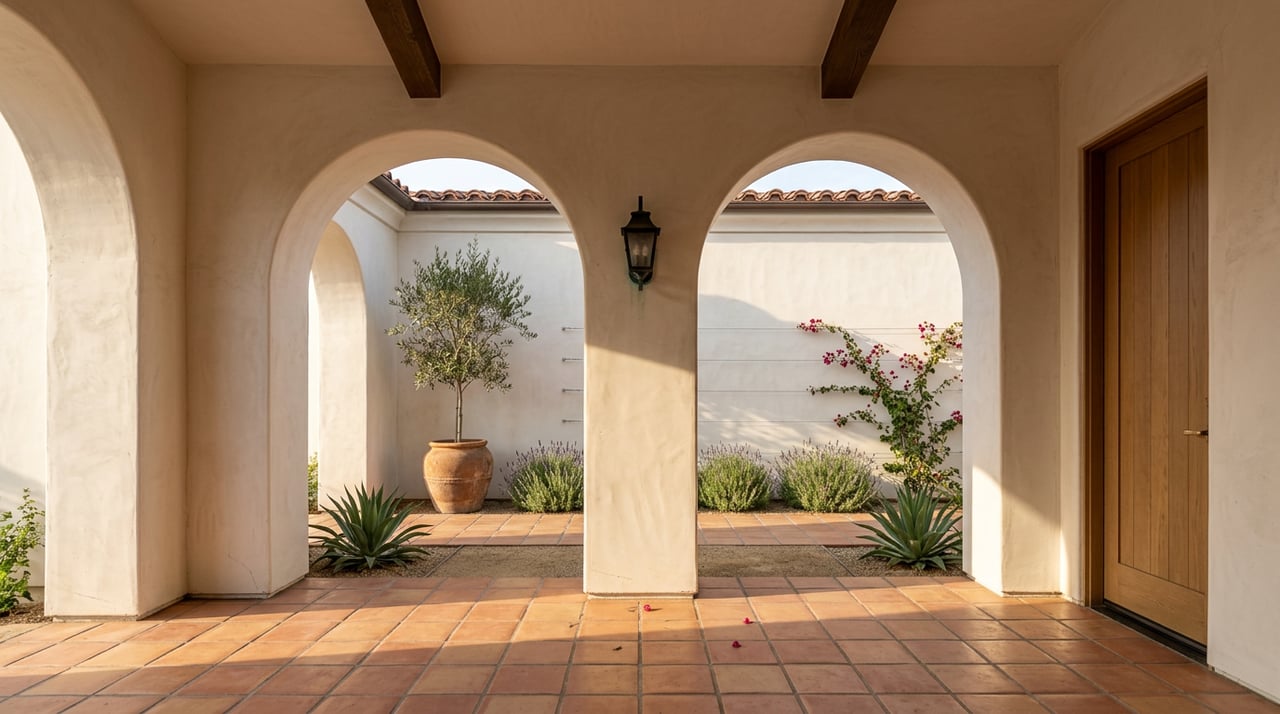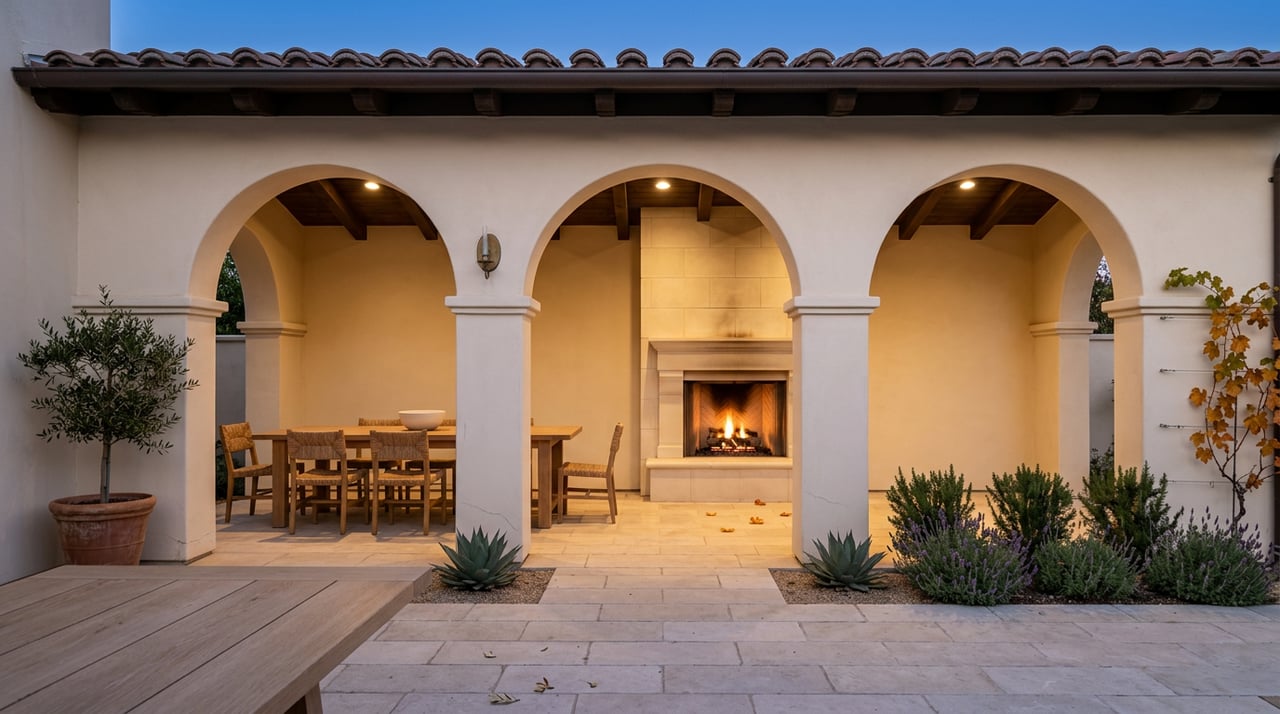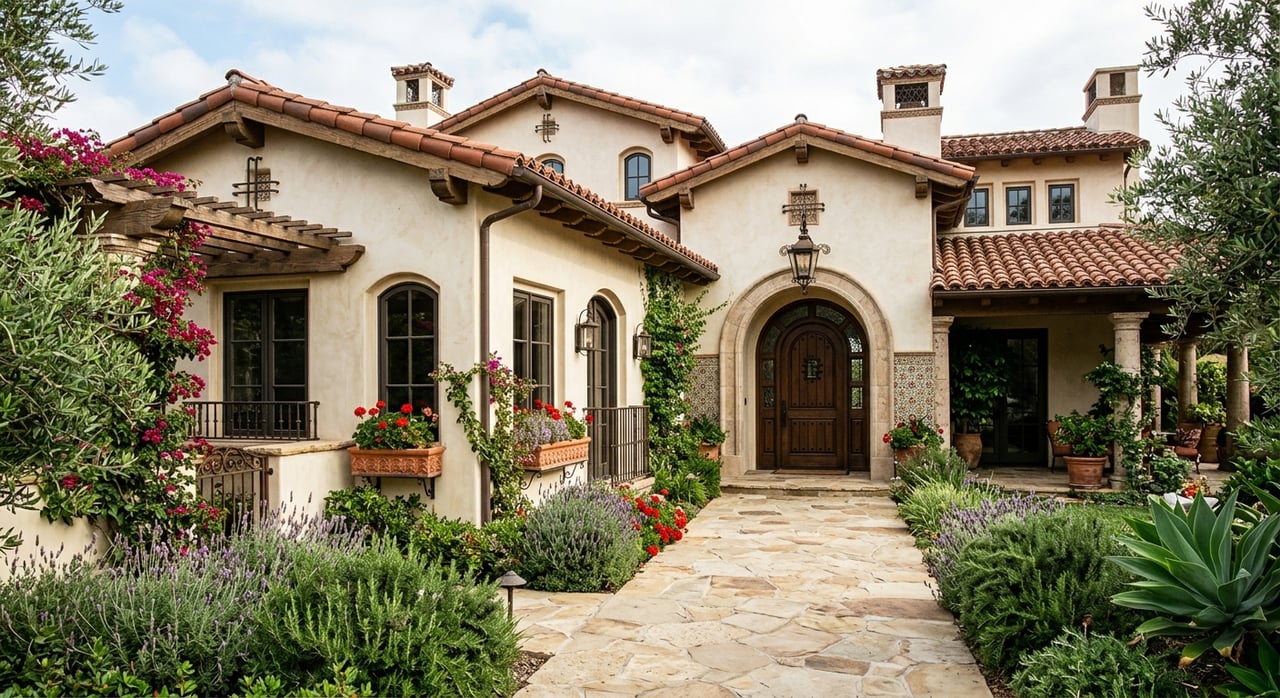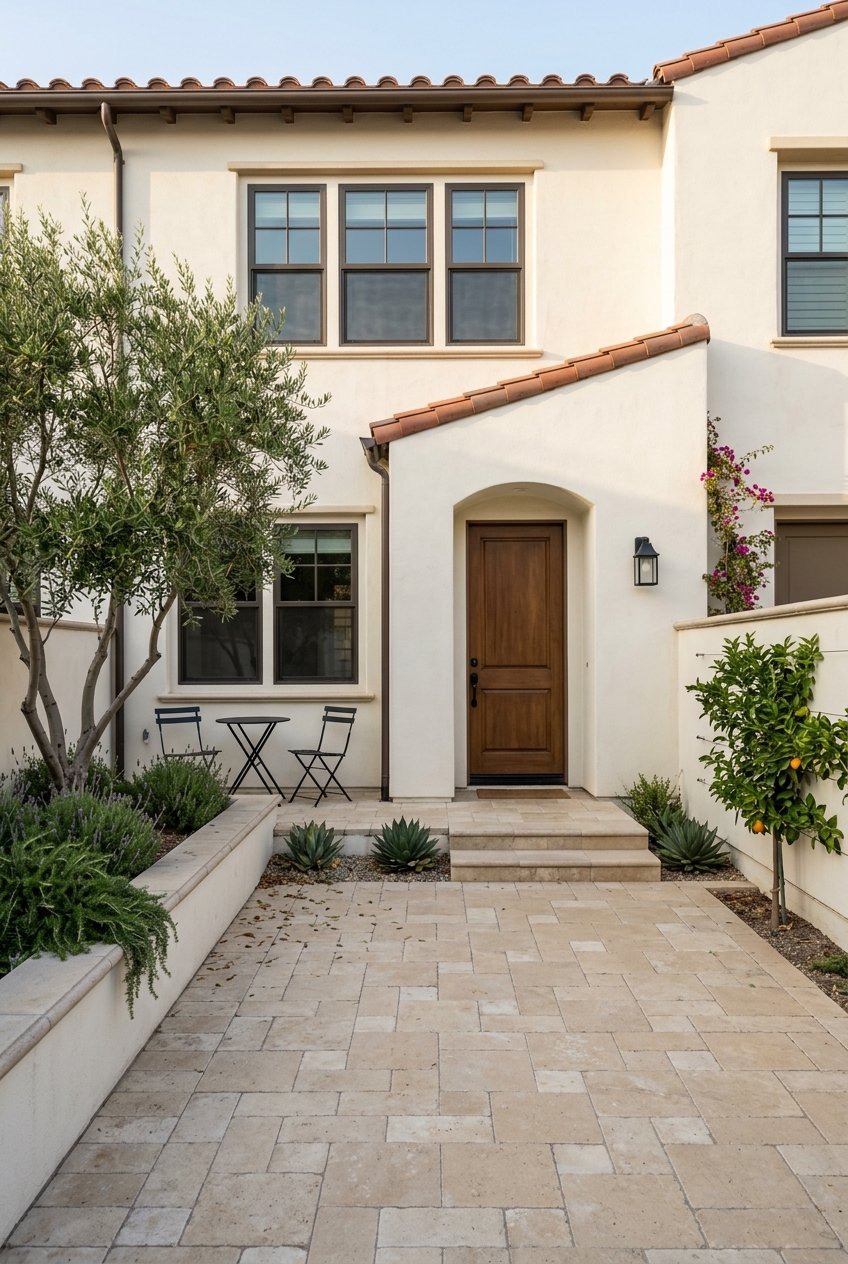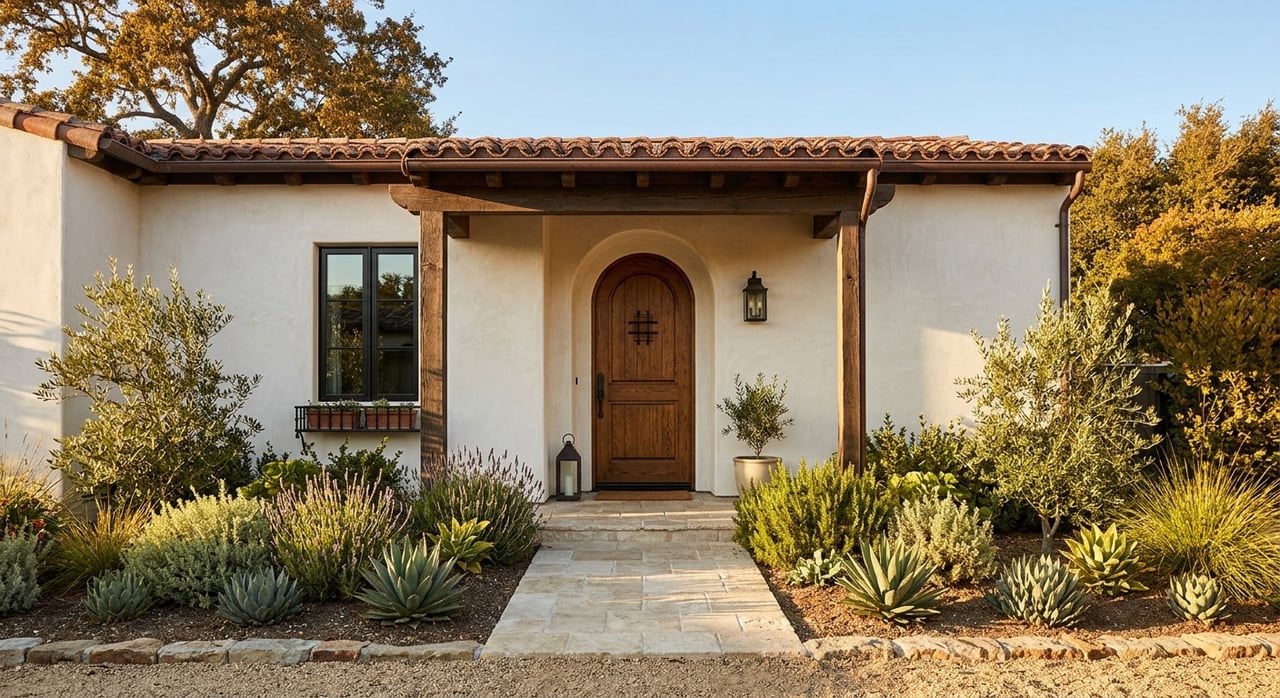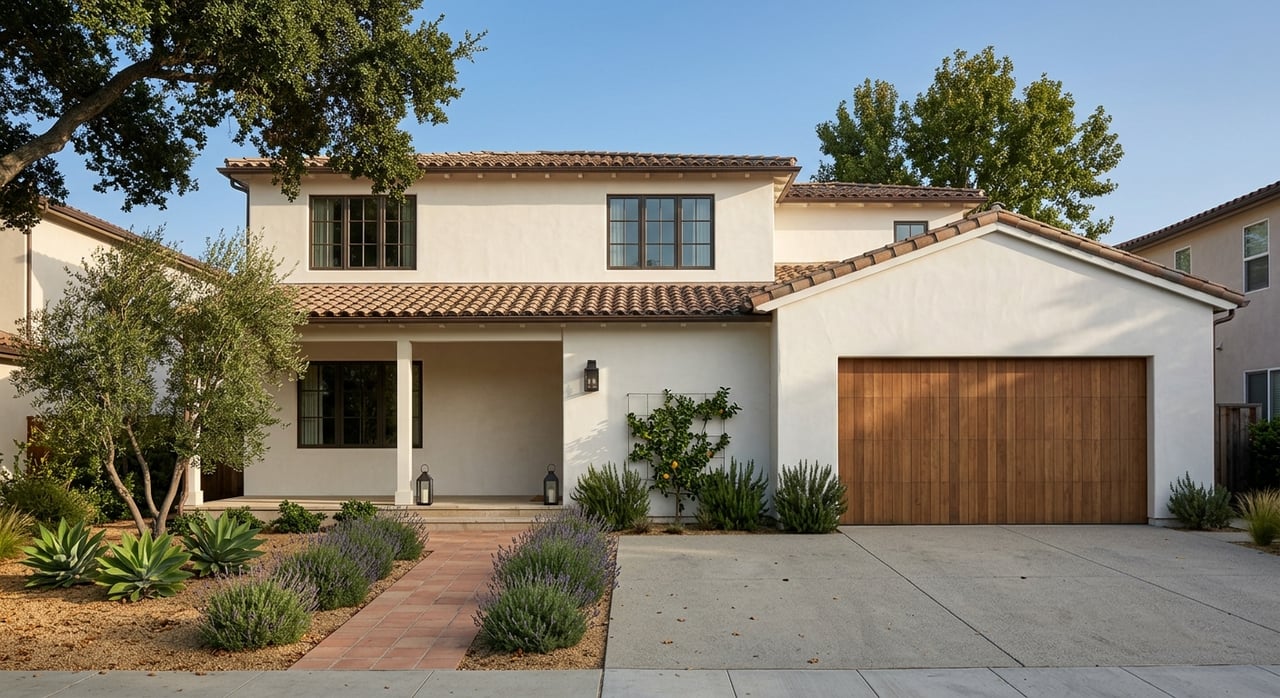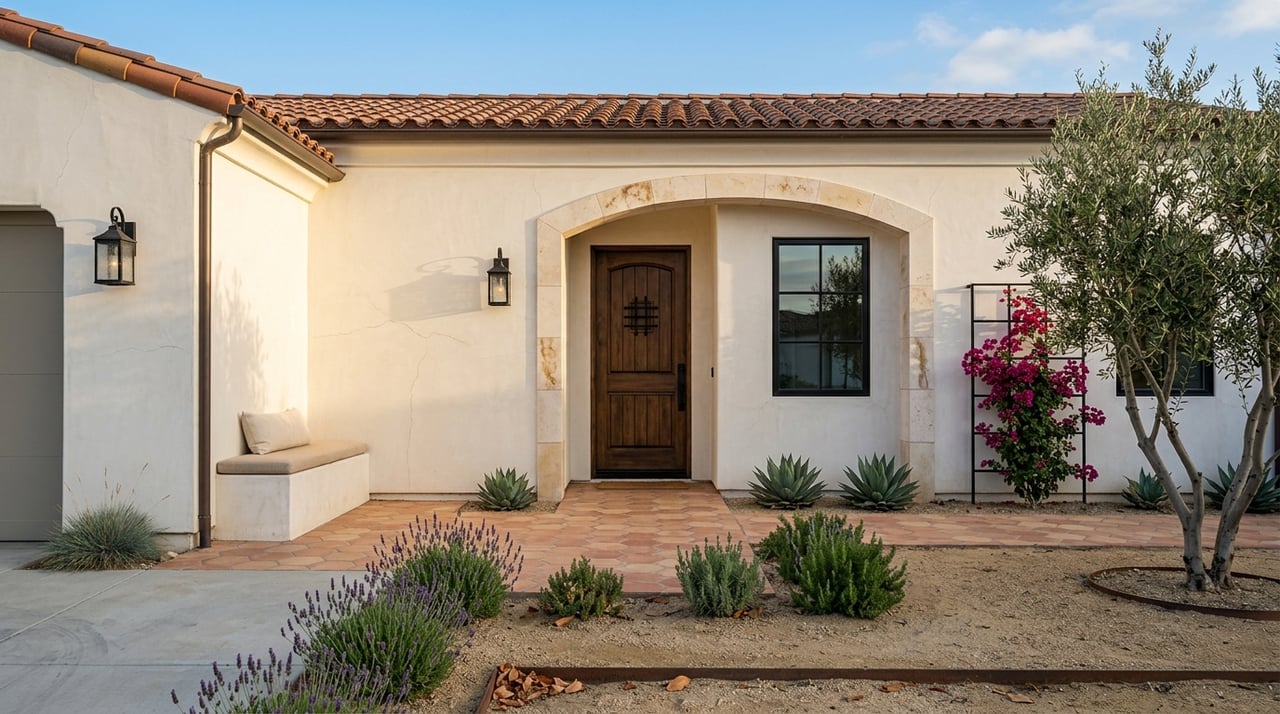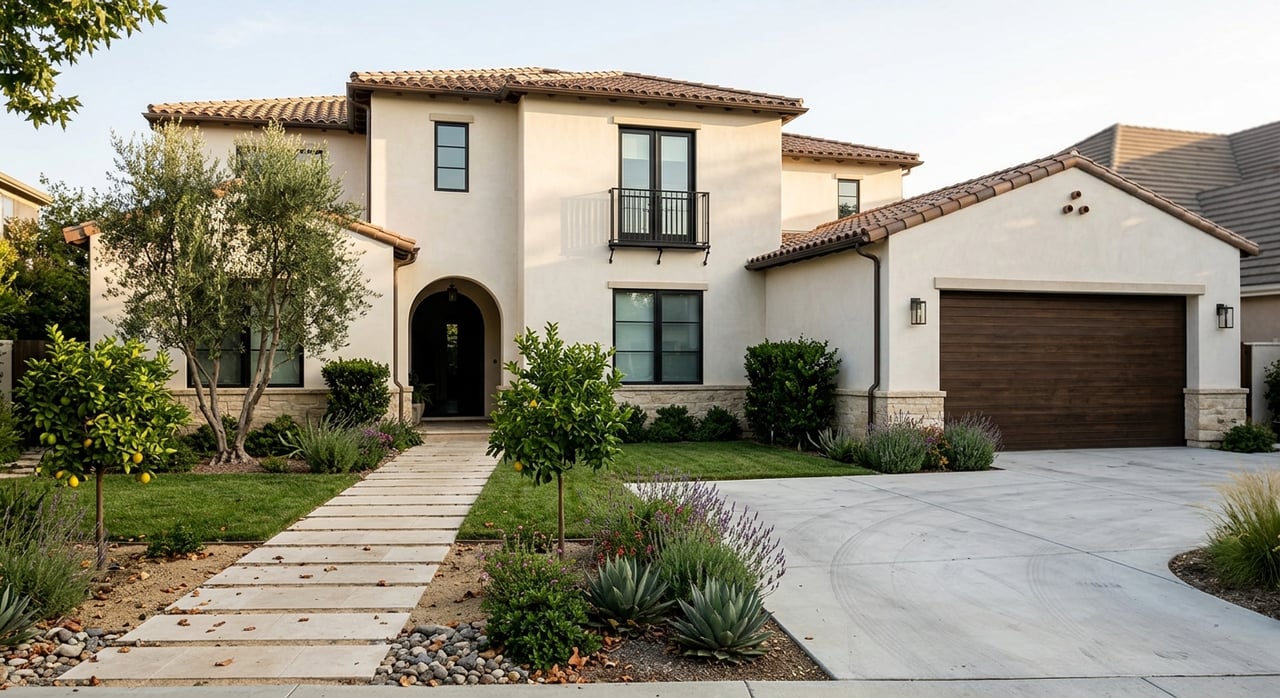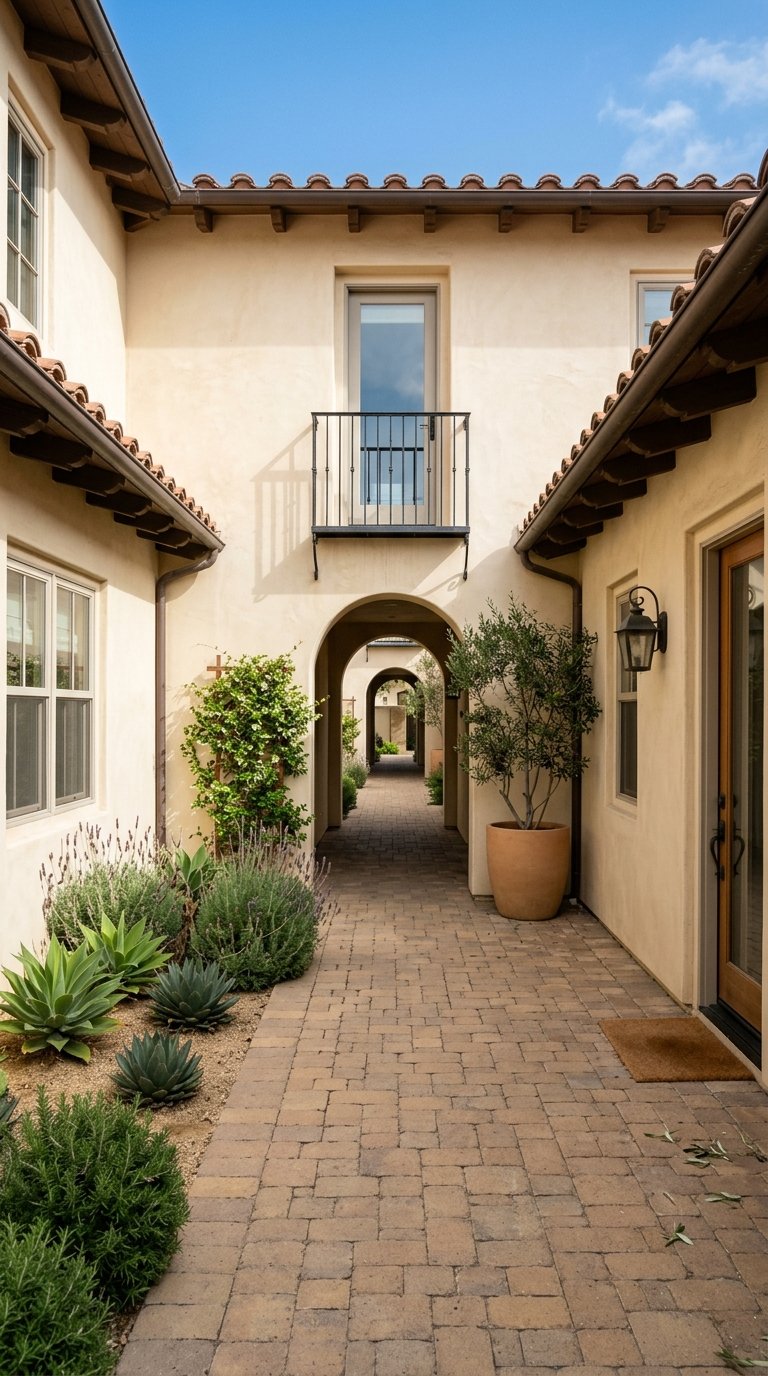
Wondering whether a condo or townhome in Thousand Oaks is the right move for you? If you want a lower-maintenance home, a different price point than a detached house, or a better fit for your next chapter, attached living can make a lot of sense here. The key is knowing that you are not just buying a home, you are also buying into an HOA structure, monthly dues, and shared rules. Let’s dive in.
Why attached homes matter in Thousand Oaks
Thousand Oaks is a mostly owner-occupied city with a relatively high cost of housing. According to U.S. Census QuickFacts for Thousand Oaks, the owner-occupied housing rate is 70.8%, the median value of owner-occupied housing units is $991,600, and 20.7% of residents are age 65 and over.
That backdrop helps explain why condos and townhomes are an important option for many buyers. If you are buying your first home, downsizing, or simply looking for less exterior upkeep, attached housing can offer a practical path into homeownership in Thousand Oaks.
Thousand Oaks price gap
One reason buyers look at condos and townhomes first is price. In PropertyShark’s Q4 2025 Thousand Oaks market data, the median sale price was $705,000 for condos and $1 million for houses.
That gap can be meaningful, but it does not tell the whole story. HOA dues, insurance needs, and possible special assessments can reduce the monthly savings you expected from a lower purchase price.
The local market also moves quickly. Zillow reported a typical home value of $1,049,634 in the Thousand Oaks area as of March 31, 2026, with homes going pending in about 18 days, while Realtor.com described the city as a seller’s market in February 2026 with a 99% sale-to-list ratio and median days on market of 37.
In a competitive market like this, it helps to review HOA documents and financing requirements early. That way, you can move with more confidence when the right property appears.
Condo vs. townhome basics
In California, many condos and townhomes are part of a common interest development, often called a CID. The California Department of Real Estate explains that these communities can include condominium units, townhouses, and even detached homes, with all owners becoming members of the homeowners association at purchase.
That matters because the ownership model is about more than the layout. You are also agreeing to the community’s CC&Rs, budget structure, maintenance rules, insurance setup, and architectural standards.
What you are really buying
A condo or townhome purchase usually includes two things: your separate living space and your membership in the HOA system that manages the shared parts of the community. The association board is responsible for the association and may use a professional management company, while the budget is meant to cover both day-to-day operations and long-term reserves, according to the California Department of Real Estate guide.
In plain terms, the floor plan is only part of the decision. You also want to know how the community is run, how financially prepared it is, and what your monthly dues actually support.
Maintenance is not always obvious
Many buyers assume a townhome means you maintain more of the exterior and a condo means the HOA handles almost everything outside the walls. In California, that is not always true.
Under California Civil Code Section 4775, the association generally maintains common areas, while the owner maintains the separate interest. Exclusive-use common areas may be treated differently, so responsibility for items like roofs, patios, balconies, exterior walls, or walkways should always be confirmed in the governing documents.
That is why two homes that look similar on a tour can come with very different maintenance responsibilities.
HOA dues and monthly cost
A condo or townhome may have a lower price tag than a detached home, but your monthly housing cost may not be lower. The Consumer Financial Protection Bureau notes that HOA dues are usually paid directly to the association, not bundled into your mortgage payment, and they can range from a few hundred dollars a month to more than $1,000.
That means it is smart to compare total monthly cost, not just list price. When you review a property, look at principal and interest, property taxes, insurance, and HOA dues together.
Reserves matter more than buyers think
One of the most important questions in any Thousand Oaks condo or townhome purchase is whether the HOA is saving enough for future repairs. California law requires qualifying associations to conduct a visual inspection of major components at least once every three years, review the reserve study annually, and adopt a reserve funding plan, as outlined in California Civil Code Section 5550.
The reserve disclosure summary should show replacement cost, actual reserves on hand, percent funded, and the current per-unit reserve deficiency. Those details can help you understand whether the association is planning ahead or whether owners may face larger future costs.
Special assessments and funding gaps
Even if dues seem manageable, you still want to ask whether any regular increases or special assessments have already been approved. The California Department of Real Estate notes that boards prepare budgets and collect assessments, while California law generally limits boards, without member approval, to special assessments that do not exceed 5% of the association’s budgeted gross expenses for that fiscal year.
Buyers should also review whether reserve balances are expected to be sufficient over the next 30 years, as reflected in association disclosures required under California law. If the numbers suggest a gap, that is worth understanding before you write an offer.
Insurance is a key comparison point
Insurance can be one of the biggest surprises for condo and townhome buyers. The HOA’s annual budget report must include a summary of the association’s property, liability, earthquake, flood, and fidelity insurance policies, including limits and deductibles, under California Civil Code Section 5300.
Just as important, that report warns buyers that HOA insurance may not cover personal property, interior improvements, or everything inside the unit. In other words, do not assume the master policy handles all your risk. Read the insurance summary closely and make sure your own coverage fills any gaps.
Balcony and deck inspections
If the community includes balconies, decks, elevated walkways, or similar exterior features, ask whether the required inspections have been completed. California requires exterior elevated element inspections at least once every nine years by a licensed architect or engineer, with the first cycle completed by January 1, 2025, under the relevant California Civil Code provisions.
For buyers, the practical question is simple: were issues identified, and if so, how will repairs be funded? That answer can affect both your timeline and your future costs.
Questions to ask early
Before you tour too many homes or fall in love with one specific unit, it helps to get clear on a few core questions.
What do the HOA dues cover?
- Ask whether dues pay for operating expenses, reserves, exterior maintenance, insurance, or amenities.
- Ask whether there are any separate user fees for things like pools, clubhouses, or other shared amenities, which the California Department of Real Estate says can exist in some communities.
Who maintains what?
- Confirm responsibility for the roof, exterior walls, patios, balconies, and exclusive-use areas.
- Use the governing documents, not the marketing description, to answer this question.
How healthy are the reserves?
- Request the latest reserve study and reserve funding summary.
- Look for reserve percentage funded, current reserve balances, and any noted deficiencies.
Are assessments already approved?
- Ask whether there are approved or proposed regular or special assessments.
- Review whether reserve balances are projected to stay sufficient over time.
Is the project approved for your financing?
- If you plan to use FHA or VA financing, ask whether the project has that status.
- The annual budget report includes a condominium project status statement for FHA and VA approval under California Civil Code Section 5300.
Can you get the documents early?
- California law requires sellers to provide the relevant HOA documents to a prospective buyer as soon as practicable before transfer of title or execution of the sales contract under Civil Code Section 4525.
- Getting them early can save time and reduce surprises.
How to choose the right fit
For many buyers in Thousand Oaks, the choice is not really condo versus townhome. It is whether the ownership model fits your lifestyle, budget, and comfort level with shared governance.
If you want less private exterior maintenance, an attached home may be a strong option. If you prefer more control over repairs, design choices, and ongoing costs, you will want to look very closely at the HOA’s rules and financial condition before deciding.
The best match is usually the one where the home, dues, maintenance responsibilities, reserve health, and insurance setup all work together. That is especially true in a market where homes can move quickly.
Buying a condo or townhome in Thousand Oaks can be a smart move, but it pays to look beyond the listing photos. When you understand the HOA, the documents, and the true monthly cost from the start, you can make a decision with much more clarity and confidence. If you want trusted local guidance tailored to your goals, Altera Real Estate Services is here to help you navigate the process with a strategic, personal approach.
FAQs
What should you review before buying a condo in Thousand Oaks?
- Review the HOA dues, reserve study, insurance summary, maintenance responsibilities, governing documents, and any approved or expected assessments before you move forward.
How are townhomes and condos different in California HOAs?
- The label alone does not determine maintenance responsibility. In California, the governing documents and Civil Code rules control who maintains roofs, exteriors, patios, balconies, and common areas.
Are HOA dues included in a Thousand Oaks mortgage payment?
- Usually no. HOA dues are generally paid directly to the association rather than bundled into your monthly mortgage payment.
Why do reserve funds matter when buying a Thousand Oaks townhome?
- Reserve funds help pay for future major repairs and replacements. Low reserves can increase the risk of future assessment costs for owners.
What insurance should you check when buying a Thousand Oaks condo?
- Check the HOA master policy summary, including coverage types, limits, and deductibles, and confirm what your own policy would need to cover inside the unit.
When should you ask for HOA documents in a Thousand Oaks purchase?
- As early as possible. Early document review gives you more time to evaluate dues, rules, reserves, insurance, and financing fit before you are too far into the process.